Source lightweight cartoon design boxing gloves for MMA, Training, and Competition
Find 30 lightweight cartoon design boxing gloves from Chinese manufacturers. Compare PU and faux leather options in various sizes and colors for MMA, kickboxing, and gym fitness training needs.
Key considerations
Products List
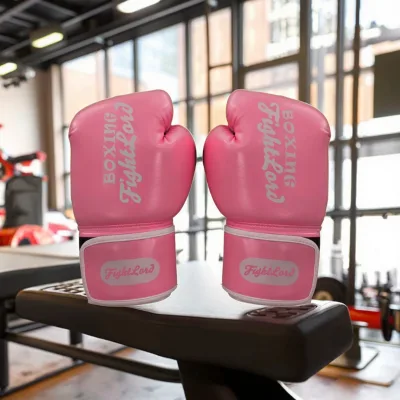
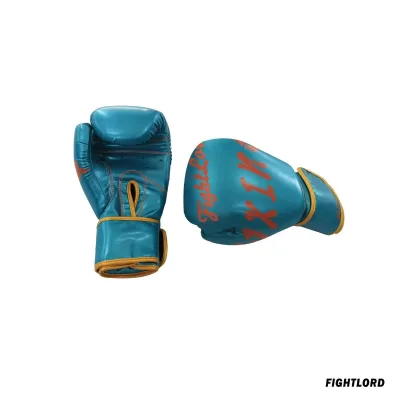
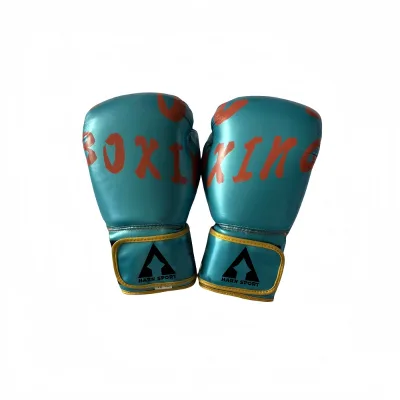
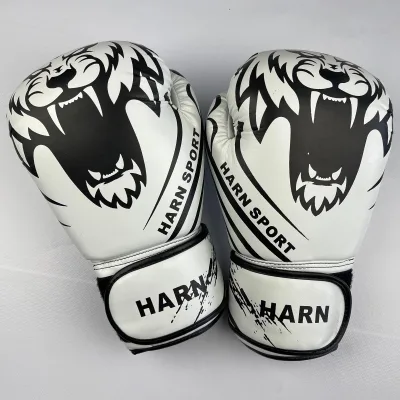


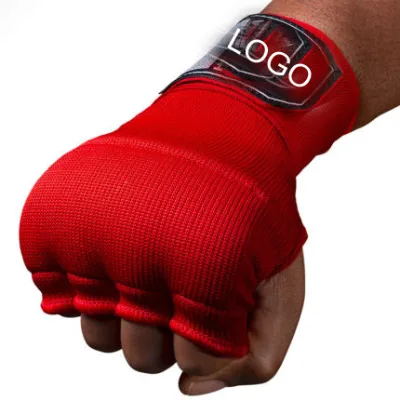
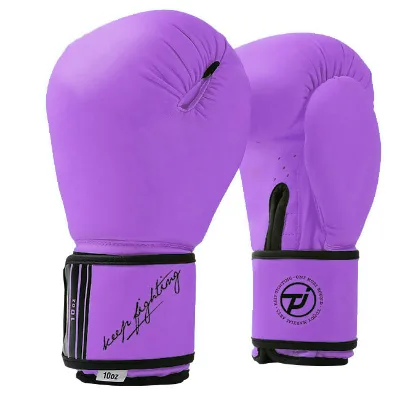
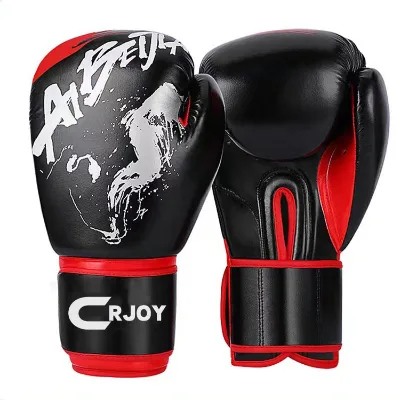


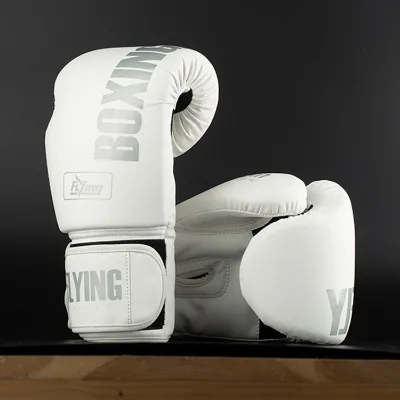
Comprehensive Sourcing Guide
Lightweight Cartoon Design Boxing Gloves Sourcing Guide
Sourcing boxing gloves that combine lightweight construction with cartoon aesthetics requires a careful balance between visual appeal and functional performance. Buyers must recognize that "lightweight" in this context often refers to reduced bulk for speed and agility rather than minimal padding for impact protection. The presence of cartoon designs, letters, or specific color palettes like gray, black, white, blue, pink, or purple indicates a focus on retail appeal and personalization. These features are particularly relevant for brands targeting younger demographics, female fighters, or casual training markets where visual identity plays a significant role in purchasing decisions. Procurement teams should verify that the decorative elements do not compromise the structural integrity of the glove or the durability of the outer material.
The market for these specialized gloves is diverse, ranging from professional-grade training equipment to promotional merchandise. Suppliers often offer customization options, allowing buyers to select specific logos, such as Telamon or custom brand marks, and choose from various sizes including S, M, L or weight-based sizing like 6oz, 8oz, 10oz, 12oz, and 14oz. This flexibility supports both OEM and ODM business models, enabling companies to create unique product lines for MMA, kickboxing, or general gym fitness. Understanding the distinction between gloves designed for competition versus those intended solely for training is crucial, as the internal lining and padding density will vary significantly based on the intended usage scenario.
Product Scope and Observed Listing Signals
The observed product landscape reveals a wide range of specifications, with prices typically falling between $2 and $19.17 USD and minimum order quantities (MOQs) varying from 1 to 500 units. This broad range suggests a market segmented by quality tiers, where lower-priced items may utilize basic PU or faux leather materials, while higher-priced options might offer enhanced durability or more complex customization. The presence of models like TLM-BG-020, TLM-BG-032, and others indicates that suppliers maintain distinct SKUs for different design iterations or material compositions. Buyers should note that some listings specify a service life of 5-8 years, which is a significant claim that requires verification through sample testing to ensure the materials can withstand repeated impact and wear.
Geographic origins are predominantly listed as China, with specific mentions of Shandong and Shanghai as production hubs. These regions are known for their manufacturing capabilities in sports goods, offering competitive pricing and established supply chains for leather and synthetic materials. The observed attributes include features such as "one-piece molding" for liners and "environmentally friendly" characteristics, which may appeal to sustainability-conscious buyers. However, the term "eco-friendly" is not standardized and should be treated as a marketing claim rather than a certified attribute until verified by the supplier. The variety of colors and styles, including unisex designs and fitted apparel types, highlights the importance of aligning product specifications with the target demographic's preferences.
Technical Specifications to Verify
When evaluating technical specifications, buyers must prioritize the material composition and construction methods. The supplied data indicates the use of PU and faux leather, which are common synthetic materials offering consistency and ease of maintenance. However, the quality of these materials can vary widely, affecting breathability, flexibility, and resistance to tearing. It is essential to verify the thickness and density of the padding, as lightweight gloves often sacrifice some impact protection for speed. Buyers should request detailed material datasheets to confirm the composition of the outer shell, inner lining, and wrist support systems, ensuring they meet the required standards for the intended training intensity.
Size and fit are critical factors that influence user satisfaction and safety. The observed size ranges include S, M, L, as well as weight-based measurements like 8oz, 10oz, and 12oz. These sizing conventions can differ between manufacturers, so buyers must obtain precise dimensional charts for each model. The "fitted" apparel fit type suggests a snug design that may require accurate sizing recommendations to prevent discomfort or restricted blood flow. Additionally, the customization options for logos and colors should be clearly defined in terms of print durability and placement. Buyers should confirm whether the cartoon designs are printed, embossed, or stitched, as each method has different implications for longevity and aesthetic quality.
Compliance and Safety Documentation
Safety compliance is paramount for boxing gloves, especially those marketed for training and competition. Buyers must ensure that suppliers provide relevant safety documentation, such as test reports for impact absorption and wrist support stability. While specific standards are not listed in the provided facts, industry norms typically require adherence to regulations set by organizations like the AIBA or local sports authorities. Buyers should verify that the gloves meet the necessary safety criteria for the markets they intend to sell in, particularly regarding the use of non-toxic materials and adhesives. The claim of "top-quality" should be substantiated by third-party testing results rather than accepted at face value.
Environmental and chemical compliance is another critical area, especially given the mention of "environmentally friendly" features. Buyers should inquire about the chemical composition of the PU and faux leather, ensuring they are free from harmful substances like phthalates or heavy metals. Certifications such as REACH or CPSIA may be relevant depending on the target market. It is also important to verify the packaging materials, as some listings mention carton boxes or individual packaging that may need to comply with recycling or waste reduction regulations. Clear communication with suppliers regarding these compliance requirements can prevent legal issues and enhance brand reputation.
Cost Drivers and Commercial Terms
Cost drivers for lightweight cartoon design boxing gloves include material selection, customization complexity, and order volume. The use of specialized printing techniques for cartoon designs or custom logos can increase production costs, while bulk orders typically benefit from economies of scale. The observed MOQ range of 1 to 500 units suggests flexibility for small businesses and startups, but larger orders may offer better unit pricing. Buyers should negotiate clear pricing structures that account for tooling fees for custom molds or screens, as well as any additional costs for expedited shipping or special packaging requirements.
Commercial terms such as payment methods, lead times, and return policies should be carefully reviewed. While specific lead times are not provided, buyers should establish realistic expectations based on the complexity of the order and the supplier's current production capacity. It is advisable to include clauses in the contract that address quality disputes and defect rates, ensuring that non-conforming products can be replaced or refunded. Transparency in pricing, including all taxes and shipping costs, helps avoid unexpected expenses. Building a strong relationship with the supplier can also lead to more favorable terms and better support throughout the procurement process.
Supplier Qualification and Quality Control
Supplier qualification involves assessing the manufacturer's production capabilities, quality management systems, and track record. Buyers should verify the supplier's factory status and request evidence of their quality control processes, such as in-line inspections and final random inspections. The mention of "factory: Yes" indicates direct manufacturing, which can offer better cost control and communication. However, buyers must still conduct due diligence to ensure that the supplier has the expertise to produce high-quality, customized products consistently. Requesting references or case studies from previous clients can provide insights into the supplier's reliability and performance.
Quality control measures should be established before production begins, including the approval of pre-production samples. These samples should be evaluated for material quality, stitching integrity, and adherence to design specifications. Buyers should define clear acceptance criteria for defects, such as loose threads, misaligned prints, or uneven padding. Implementing a robust inspection plan, potentially involving third-party inspection services, can help mitigate risks associated with large orders. Regular communication with the supplier during production can also help identify and address potential issues early, ensuring that the final products meet the required standards.
Long-Term Procurement Checks
Long-term procurement success depends on continuous monitoring of supplier performance and market trends. Buyers should regularly review supplier metrics, such as on-time delivery rates, defect rates, and responsiveness to issues. Establishing a periodic review process can help identify areas for improvement and strengthen the partnership. Additionally, staying informed about changes in material regulations and consumer preferences is essential for maintaining product relevance. The fashion and sports equipment markets are dynamic, and suppliers who can adapt to new trends, such as sustainable materials or innovative designs, will be more valuable partners.
Building a diversified supplier base can reduce risk and provide flexibility in sourcing. Buyers should consider engaging with multiple suppliers to compare quality, pricing, and service levels. This approach also allows for better negotiation power and ensures continuity of supply in case of disruptions. Investing in relationship management and collaborative planning with key suppliers can lead to better product development and cost efficiencies. By maintaining a strategic approach to procurement, buyers can ensure a steady supply of high-quality, lightweight cartoon design boxing gloves that meet the evolving needs of their customers.
FAQs
What materials are used for these boxing gloves?
The gloves are constructed from PU and Faux Leather materials. This ensures durability while maintaining a lightweight profile suitable for MMA and kickboxing training sessions.
Which sizes are available for these gloves?
Available sizes include S, M, L and specific weights like 6oz, 8oz, 10oz, 12oz, and 14oz. Buyers can select the appropriate fit based on their hand size and training requirements.
Can I customize the logo on these gloves?
Yes, customization is available for logos such as Telamon or other custom designs. This allows brands to personalize the product for their specific marketing or team needs.
What is the minimum order quantity for these items?
The minimum order quantity is 30 units for standard orders. Some listings may allow orders starting from 1 unit, but bulk purchasing typically begins at the 30-unit threshold.
Where are these gloves manufactured?
These gloves originate from factories located in Shandong and Shanghai, China. The production facilities ensure quality control while meeting international shipping standards for export.
Are these gloves suitable for both men and women?
Yes, the gloves are designed for universal use by both male and female athletes. They feature a fitted style and unisex design to accommodate various hand sizes effectively.